Introduction
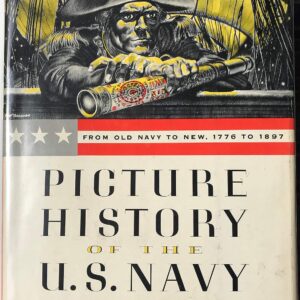
I never considered myself much of a history buff until I stumbled upon this remarkable first edition US Navy history book at a local estate sale. The worn blue cover caught my eye, and something about the weight of it in my hands felt significant. As someone who typically reads contemporary non-fiction, I was surprised by how quickly I became immersed in the story of American naval development. The book’s comprehensive coverage from 1776 to 1897 promised a journey through time I hadn’t anticipated taking, but one that would ultimately reshape my understanding of how our nation’s maritime forces evolved.
Real-Life Context
My interest in naval history actually began indirectly through my fascination with Michael Jordan’s career trajectory. Just as I’d studied how Jordan transformed basketball through different eras, I found myself curious about how institutions transform over time. When I acquired this Charles Scribner’s Sons first edition, I initially planned to use it as a decorative piece for my home office. The substantial 450-gram volume with its detailed illustrations seemed like it would add character to my bookshelf. But as I began flipping through the pages one rainy afternoon, I found myself drawn into the narrative of naval evolution in a way I hadn’t expected.
The book became my companion during weekend reading sessions, often accompanied by morning coffee. I’d place it on my desk alongside more contemporary reading material, and gradually found myself reaching for it more frequently. The 1956 publication date gave it a certain gravitas that modern reprints lack—the paper had that distinctive old-book smell, and the binding showed just enough wear to suggest it had been valued by previous owners. What started as casual browsing turned into dedicated study sessions where I’d cross-reference events with online resources, creating a richer understanding of each historical period.
Observation
What struck me most about this visual history was how effectively the illustrations and photographs bridged the gap between academic text and accessible storytelling. The transformation from the Revolutionary War’s modest fleet to the sophisticated naval power of the late 19th century unolded before me in a way that pure text could never accomplish. I found myself particularly fascinated by the ship designs and how technological limitations shaped naval strategy during different eras. The detailed accounts of naval battles provided context I’d never encountered in broader historical overviews.
The book’s organization made complex historical progressions understandable. Starting with the fledgling Continental Navy’s challenges during the American Revolution, moving through the War of 1812’s naval engagements, and culminating with the steel-hulled warships of the 1890s, each era received thoughtful treatment. The visual elements weren’t merely decorative—they served as primary sources that revealed details about ship construction, sailor life, and naval tactics. I found myself spending considerable time examining the photographs of early steam-powered vessels, marveling at the engineering ingenuity required to transition from sail to steam power.
As someone who appreciates thorough research, I was impressed by the depth of information packed into this single volume. The coverage of significant events went beyond famous battles to include peacetime developments, exploration missions, and the evolution of naval doctrine. The book managed to balance broad historical narrative with specific technical details, making it equally valuable for casual reading and serious study. I often found myself looking up from the pages to process how these historical developments connected to modern naval operations and maritime policy.
Reflection
I didn’t expect this book to matter so much in how I view American history. The personal connection I developed with the material surprised me, particularly how it changed my perspective on national development. Holding this first edition felt like connecting with previous generations of readers who had similarly sought to understand our naval heritage. The weight of the book in my hands became symbolic of the weight of history itself—how decisions made centuries ago continue to influence contemporary maritime strategy and national security.
The experience of reading this comprehensive history made me reflect on how we often overlook naval contributions to national identity. While we celebrate land battles and political milestones, the maritime dimension frequently receives less attention in popular history. This book revealed how naval power shaped diplomatic relations, trade patterns, and technological innovation throughout our nation’s first century. The illustrations of early American warships struggling against superior British forces during the Revolution, followed by depictions of increasingly sophisticated vessels through the 19th century, created a visual narrative of national growth and technological progress.
What began as casual curiosity evolved into genuine appreciation for the meticulous research behind this volume. The publisher, Charles Scribner’s Sons, had clearly invested significant effort in creating a work that balanced scholarly rigor with accessibility. The first edition status added another layer of significance—this wasn’t just a reprint but an original publication from 1956, representing how mid-20th century historians interpreted and presented naval history. I found myself wondering about the original readers and how their understanding of naval heritage might have differed from contemporary perspectives.
Conclusion
This journey through US Navy history has left me with a deepened appreciation for how maritime forces shaped our nation’s development. The book’s comprehensive coverage from 1776 to 1897 provided a foundation for understanding not just naval evolution but broader historical currents. The visual elements made complex historical transitions accessible, while the first edition status added a tangible connection to previous generations of history enthusiasts. What started as an impulse purchase became a meaningful addition to my personal library and my historical understanding.
The experience reinforced how physical books can create connections that digital resources often lack. The weight, texture, and presence of this volume contributed to my engagement with the material in ways I hadn’t anticipated. The detailed illustrations and photographs provided visual anchors that helped contextualize the historical narrative, making abstract developments concrete and memorable. This first edition has become more than just a reference work—it’s a artifact that bridges past and present, connecting contemporary readers with historical events through the medium of carefully preserved publishing.
For anyone interested in American history, naval development, or simply the experience of engaging with a well-crafted historical volume, this book offers both educational value and aesthetic pleasure. The balance between comprehensive coverage and accessible presentation makes it suitable for various reading contexts, from casual browsing to dedicated study. My unexpected journey with this volume has transformed my understanding of naval heritage and reminded me of how physical books can create meaningful connections across time.
 Pussers Rum Night Watch Black Strap Limited Edition
  Glass Pinecone Christmas Ornament Arthur Cameron Old Navy