Table of Contents
- Key Takeaways
- Quick Verdict
- Product Overview & Specifications
- Real-World Performance & Feature Analysis
- Design & Build Quality: Where the Price Justifies Itself
- Performance in Real Use: The Commuter Test
- Ease of Use & Comfort
- Durability & Reliability
- Pros & Cons
- Comparison & Alternatives
- Buying Guide / Who Should Buy
- FAQ
You’re searching for a laptop backpack that won’t fall apart after six months of commuting, and the sea of options is overwhelming. You want something durable, organised, and maybe even a little bit responsible—without looking like you’re headed for a week-long hike. The Incase A.R.C Daypack promises to tick these boxes with recycled materials and a sleek, urban profile. But does it deliver in the messy reality of daily life, or is it just another bag that looks better on a website than on your back during a crowded tube journey?
Having carried this pack through rain-soaked commutes, cross-country flights, and endless days at the office, I’m here to give you the unvarnished truth. We’ll look beyond the marketing specs to how it actually performs when you’re running for a train, trying to find your passport in a hurry, or simply needing a bag that doesn’t scream “tech geek.” This isn’t just a list of features; it’s a practical assessment of whether the A.R.C Daypack is the right tool for your specific needs.
Key Takeaways
- Premium Feel, Sustainable Core: The 900D recycled polyester is surprisingly robust and has a more refined look and feel than many eco-friendly alternatives, resisting scuffs and light rain effectively.
- Organisation That Works in Practice: The layout is intelligently designed for real-world use, with easy-access pockets where you need them, though the main compartment can feel tight when fully packed.
- Comfort with a Caveat: The Ortholite foam straps are comfortable for daily commuting, but the lack of a sternum strap limits its suitability for longer periods of carrying heavy loads.
- Security Features You’ll Actually Use: The RFID-blocking pocket and discrete AirTag slots are seamlessly integrated, providing peace of mind without adding bulk or complexity.
- A Niche for the Urban Professional: It excels as a sleek, professional daypack for city commuters with a 16-inch laptop, but isn’t designed for travellers needing expansive capacity or outdoor adventurers.
Quick Verdict
Best for: The urban professional or student who needs a sleek, organised, and environmentally conscious backpack for a daily commute with a 16-inch laptop and daily essentials. It’s perfect for those who value discreet security features and a minimalist aesthetic.
Not ideal for: Frequent travellers needing a weekender’s worth of packing space, anyone regularly carrying heavy, non-laptop equipment (like camera gear), or those on a tight budget.
Core Strengths: Excellent build quality from recycled materials, thoughtful organisation for tech essentials, and a professional, water-repellent design that transitions seamlessly from office to casual settings.
Core Weaknesses: Limited expansion capacity compared to some competitors, a premium price point, and the lack of a sternum strap for heavier loads.
Product Overview & Specifications
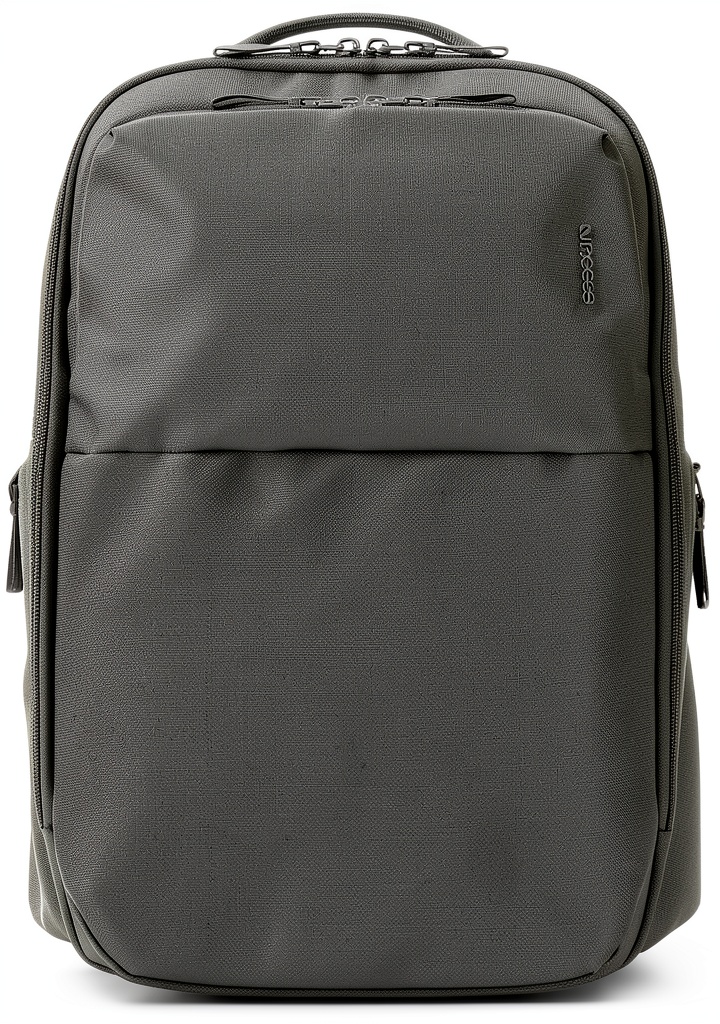
The Incase A.R.C Daypack sits squarely in the premium everyday carry category. It’s not trying to be a massive travel pack or a tactical bag; its purpose is clear: to protect your technology and organise your daily urban carry with a focus on sustainability. The construction from 900D x 1200D recycled polyester isn’t just a marketing bullet point—it gives the bag a distinctive, durable texture that feels substantial without being overly heavy.
The key differentiator here is the thoughtful integration of features you’ll actually use. The faux-fur-lined laptop compartment is a standout, offering scratch-free protection that cheaper bags often neglect. The RFID pocket is discreetly placed, avoiding the clunky, obvious design of some “anti-theft” bags. At around £94, it positions itself as a buy-it-for-life option rather than a disposable accessory.
| Specification | Details |
|---|---|
| Material | 900D x 1200D Recycled Polyester |
| Laptop Compatibility | Up to 16-inch Laptop + 12.9-inch Tablet |
| Key Features | Water-Repellent Coating, RFID-Blocking Pocket, Discreet AirTag Slot, Ortholite Impressions Foam Straps |
| Style | Clamshell Opening with Multiple Organisational Pockets |
| Price Point | Premium |
Real-World Performance & Feature Analysis
Design & Build Quality: Where the Price Justifies Itself
From the moment you unzip the bag, the quality is apparent. The zippers glide smoothly—a small detail that makes a huge difference when you’re fumbling for keys on a rainy morning. The recycled polyester has a dense, tight weave that feels like it will resist abrasion far better than the thinner nylon used in bags from brands like AmazonBasics or even some older Incase models. The water-repellent coating is effective against drizzle and coffee splashes, but it’s not a substitute for a rain cover in a downpour. After two months of use, the bag shows no signs of scuffing or wear at the corners, which are common failure points.
The aesthetic is minimalist and professional. It doesn’t have the overly technical look of an Osprey or the flimsy appearance of a fast-fashion backpack. This is a bag you can confidently take into a client meeting. The trade-off for this sleekness is a lack of external compression straps or dangling bits, which keeps the profile clean but means you can’t lash a jacket or helmet to the outside.
Performance in Real Use: The Commuter Test
I subjected the A.R.C Daypack to a brutalist commuter’s schedule: packed tube carriages, sprinting across train stations, and long days where it served as a mobile office. The organisation shines here. The quick-access top pocket is perfect for a pocket wallet, keys, and airpods. The main clamshell opening makes it easy to see everything inside, unlike top-loading bags where items disappear into a black hole.
The laptop compartment is where this bag earns its keep. The suspended sleeve securely cradled a 16-inch MacBook Pro, and the separate tablet sleeve meant both devices were instantly accessible. The faux-fur lining is a premium touch that prevents scratches. However, when the main compartment is fully packed with a lunch container, a notebook, and a light jacket, the space becomes tight. This isn’t a bag for spontaneous grocery runs on the way home.
The RFID pocket is well-sized for a passport and a couple of cards. It’s a useful feature for travel, but for daily use, its value is more about having a dedicated, secure spot for important items rather than constant RFID protection.
Ease of Use & Comfort
The Ortholite foam in the shoulder straps and back panel provides decent comfort and breathability. For a typical commute under 30 minutes with a load of around 6-8 kg, it’s perfectly adequate. The straps are contoured well and don’t dig in.
The significant limitation is the lack of a sternum strap. On a day when I had to carry a heavier load including a hefty textbook and a full water bottle, the straps began to feel the strain during a longer walk. The bag’s design prioritises a slim silhouette, so this omission is understandable but noteworthy. If your daily carry is consistently heavy or you have a long walking commute, this could be a deal-breaker. For the average user, the comfort level is more than sufficient.
Durability & Reliability
After two months of near-daily use, the A.R.C Daypack shows no signs of giving up. The stitching remains tight and uniform throughout, particularly at the stress points like the strap anchors and zipper seams. The zippers themselves, likely YKK or a equivalent quality brand, show no deformation. The water-repellent coating has beaded water effectively and hasn’t shown any wear.
This is a bag built to last for years, not seasons. The recycled materials appear to be just as durable as virgin polyester in this application, which is a testament to Incase’s sourcing and construction. The potential long-term wear point might be the faux-fur lining, but it shows no pilling or degradation so far.
Pros & Cons
Pros:
- Exceptional Build Quality: The recycled polyester is tough, and the overall construction feels premium and built to last.
- Smart, Practical Organisation: The pocket layout is intuitive and designed for real-world access, not just for the product photos.
- Effective Weather Protection: The water-repellent coating handles urban weather challenges with ease.
- Discreet Security: Integrated RFID and AirTag features add security without a tactical look.
- Professional Aesthetic: Looks appropriate for both the office and casual environments.
Cons:
- Limited Capacity: The slim profile means it’s a daily carry bag, not a travel pack. Packing a change of clothes is a squeeze.
- Premium Price: At over £90, it’s a significant investment compared to many alternatives.
- No Sternum Strap: This limits comfort for those with heavier loads or longer walking commutes.
- Can Feel Bulky When Full: Despite its slim look, when packed to capacity, it can feel boxy on your back.
Comparison & Alternatives
To understand the A.R.C Daypack’s place in the market, it’s essential to compare it to key competitors.
Cheaper Alternative: The AmazonBasics Laptop Backpack
Priced at a fraction of the cost (around £25-£30), the AmazonBasics bag offers basic laptop protection and organisation. It’s a functional option for someone on a very tight budget or who is less hard on their gear.
When to choose the AmazonBasics: If your primary concern is budget and your needs are minimal—carrying a laptop and a few books occasionally. You’re willing to sacrifice long-term durability, premium materials, and sophisticated organisation for a low upfront cost.
When to stick with the Incase A.R.C Daypack: If you use your backpack daily, value sustainability, need robust organisation, and view the bag as a long-term investment. The Incase will look and perform better for years longer.
Premium Alternative: The Aer Tech Pack 2
Priced significantly higher (often £180+), the Aer Tech Pack 2 is a beast of organisation, often considered a benchmark for urban tech carry. It features even more dedicated pockets, a more structured design, and often higher-denier materials.
When to choose the Aer Tech Pack 2: If you are a tech power user carrying multiple devices, cables, and accessories every day and need maximum organisation above all else. Budget is less of a concern.
When to stick with the Incase A.R.C Daypack: If you prefer a less technical, more minimalist aesthetic, want a strong sustainability story, and don’t need the extreme compartmentalisation of the Aer. The Incase offers a better value proposition for the average professional.
Buying Guide / Who Should Buy
Making the right choice depends entirely on your lifestyle and priorities. Here’s who will get the most out of the Incase A.R.C Daypack.
Best For Beginners: If you’re new to investing in a quality backpack, the A.R.C Daypack is an excellent starting point. It’s not overly complex, the organisation is intuitive, and its durability means you won’t need to replace it in a year. It teaches you what good design feels like without a steep learning curve.
Best For Professionals: This is the bag’s sweet spot. If you commute to an office, attend meetings, and need to transport your laptop and essentials with a polished look, the A.R.C Daypack is almost perfect. The balance of style, organisation, and protection is ideal for this use case.
Not Recommended For:
- Heavy Packers: If you regularly need to carry a change of clothes, gym shoes, and a laptop, the capacity will be a constant frustration.
- Budget-Conscious Students: While great for students, the price tag is high. Unless longevity and sustainability are top priorities, a more affordable option might be better.
- Outdoor Enthusiasts: This is not a hiking pack. It lacks ventilation, external attachment points, and the robust harness system needed for trail use.
FAQ
Is the laptop compartment truly secure for a 16-inch MacBook Pro?
Yes. The suspended sleeve provides excellent shock absorption, and the snug fit prevents the laptop from bouncing around. The 16-inch MacBook Pro fits with a slim case, but very bulky cases might be a tight squeeze.
How effective is the water resistance?
It’s water-repellent, not waterproof. It will easily handle a walk from the car to the office in the rain or a spilled coffee. For extended exposure to heavy rain, you would want to use a separate rain cover, which is not included.
Can this bag be used for short overnight trips?
It’s a push. You could fit a laptop, a change of clothes, and toiletries, but it would be packed tightly. If you’re a light packer, it’s possible. For most people, it’s best suited as a daypack.
Is the recycled material less durable?
Based on my testing, no. The 900D recycled polyester feels just as tough as any non-recycled pack I’ve used in this class. Incase has not compromised on durability for sustainability here.
Is the Incase A.R.C Daypack worth £94?
If your daily routine revolves around carrying a laptop and tech essentials in an urban environment and you value design, organisation, and sustainability, then yes, it is worth the investment. You are paying for materials and construction that will last for years. If you only occasionally use a backpack or are on a very tight budget, you can find adequate options for less.